Heated Rivalry, Body Image, and Sexual Intimacy
Heated Rivalry Got Us Thinking About Sex and Body Image
Heated Rivalry has people talking about sex and desire. Explore how body image and shame can affect intimacy with Sophie Talmadge Silleck at Affirmative Therapy Collective.
by Lauren Canonico, LCSW and Sophie Talmadge Silleck, LMSW

Heated Rivalry has become a conversation starter, and not just because of its sex scenes. People are talking about desire, vulnerability, and what it means to feel wanted.
The show has also prompted some viewers to think about their own experiences. What makes sex feel comfortable? Why can it be hard to say what you want? And where do the expectations we carry about our bodies come from?
These questions are personal. The answers can be complicated, too.
When You’re Too Busy Thinking to Enjoy Yourself
Sex can come with a surprising amount of self-monitoring. You might worry about how your body looks, whether your partner is enjoying themselves, or whether you’re doing things the way you’re supposed to.
When your attention is caught up in those concerns, it can be difficult to focus on your own experience.
Body image can play a part in this. We’re surrounded by messages about which bodies are desirable and what sex is supposed to look like. Even when we know those messages are unrealistic, they can be hard to shake.
You don’t have to love every inch of your body to enjoy sex. But if worrying about how you look keeps getting in the way, it may be worth exploring what’s behind that discomfort.
What We See on Screen, and What We Take From It
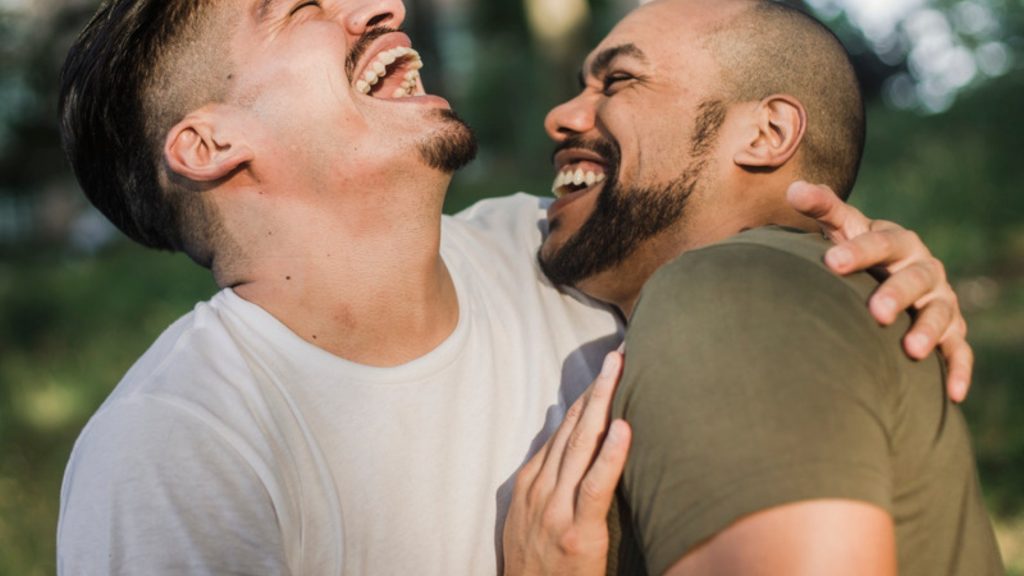
One interesting part of the conversation around Heated Rivalry is how it challenges familiar expectations about masculinity and desire. The characters aren’t always certain of themselves, and vulnerability is part of their relationships.
That can be compelling to watch, particularly if you’ve learned that being desirable means appearing confident or having everything under control.
Enjoying a show doesn’t necessarily reveal anything definitive about your sexuality or relationships. You don’t need to analyze every reaction you have. But if something resonates with you, there’s room to get curious about why.
Maybe it raises questions about what you want from intimacy. Maybe it makes you think about expectations you’ve never really questioned. You can explore those thoughts without needing to reach a particular conclusion.
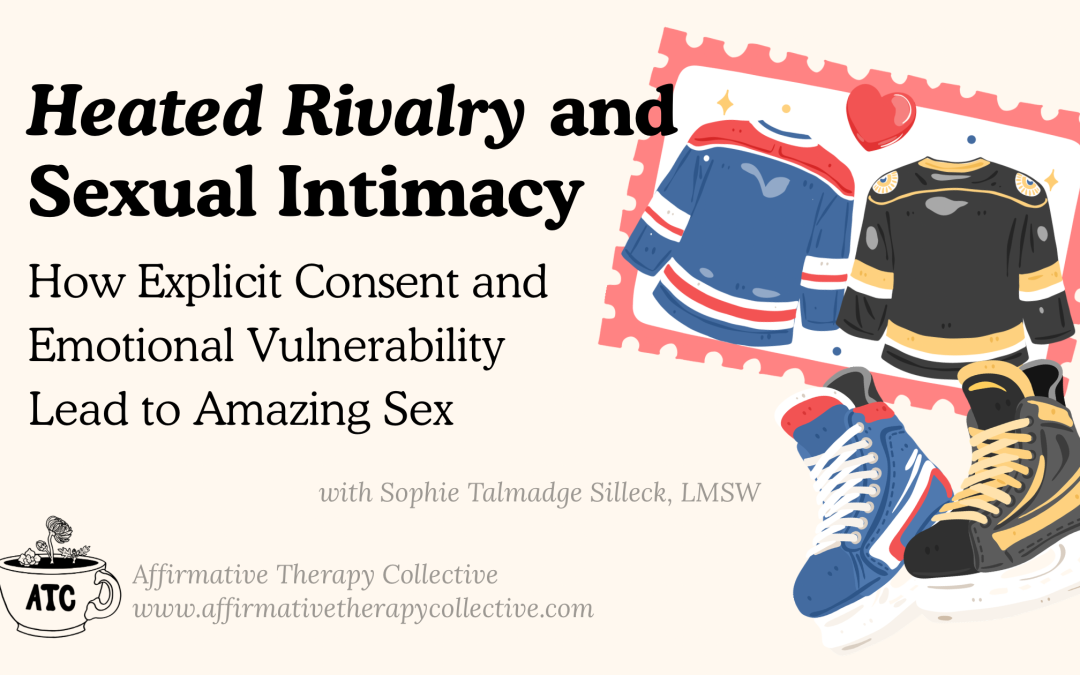
For more on what the show can teach us, read our earlier post, Heated Rivalry and Sexual Intimacy, and this Men’s Health article on what men can learn from Heated Rivalry.


Talking About Sex Without the Shame
For some people, talking openly about sex feels harder than having sex itself. Saying what you want can feel exposing, especially if you’ve spent years worrying about being judged or struggle to self-advocate.
Sometimes, the difficulty goes beyond communication. Body image concerns or shame can make it hard to know what feels good in the first place.
Sex therapy offers a place to work through these experiences at your own pace. Sophie Talmadge Silleck at Affirmative Therapy Collective is interested in the relationship among our behaviors, feelings, and thoughts about the body and pleasure.
Her approach makes room to examine the messages and experiences that have shaped you. You don’t need to arrive with a clear explanation of what’s wrong. You can start with what’s been on your mind or something you notice might be missing from your experiences, whether that’s a sense of presence, excitement, connection, or enjoyment.
Frequently Asked Questions
Can body image affect sexual desire?
Yes. Worrying about how you look pulls attention away from sensation, which can lower arousal and pleasure.
Do I need to love my body to have good sex?
No. Body neutrality and awareness, or tolerating your body and its sensations so you can be present enough to notice what feels good, is a realistic starting point for many.
What is Baring It All?
It is a virtual therapy group for adults exploring where body image, behaviors, feelings, thoughts, and sex meet, led by Sophie Talmadge Silleck, LMSW.
Explore Baring It All With Sophie Talmadge Silleck
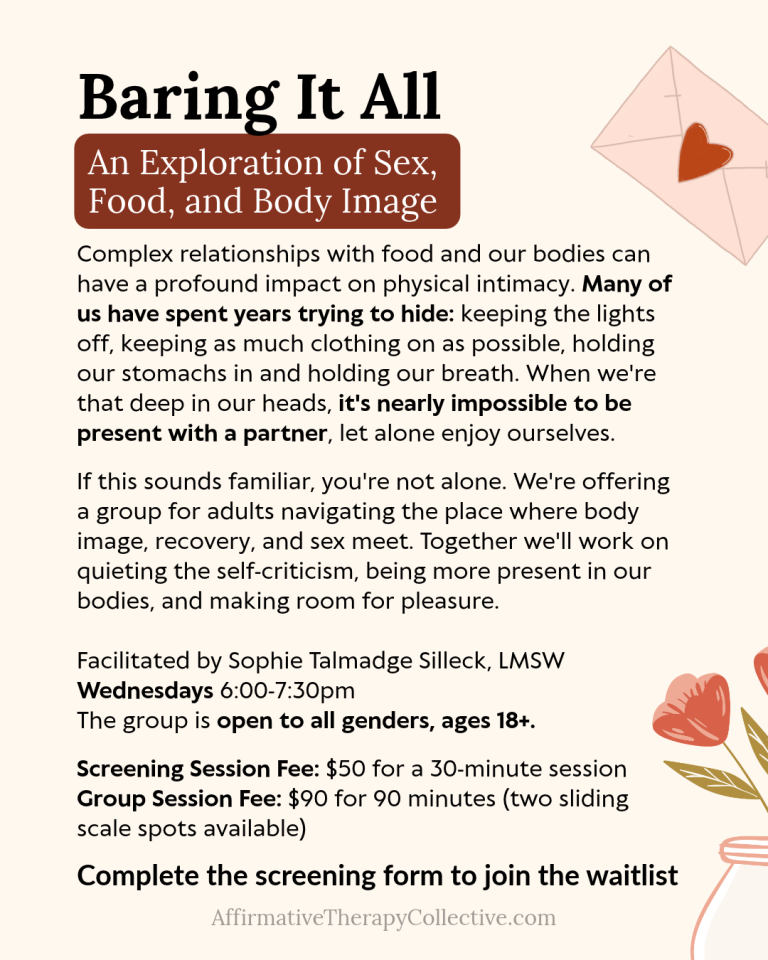
Sophie Talmadge Silleck also offers Baring It All, a group at Affirmative Therapy Collective.
The group begins November 18, 2026, with sessions on Wednesday evenings from 6:00 to 7:30 p.m.
If you’d like to know more, contact Affirmative Therapy Collective to discuss the group and whether it’s a good fit for you.